





Conveyancing searches
When buying property or land, it is generally recommended that a series of legal searches are carried out to identify potential problems that may affect the price the client is prepared to pay, whether a mortgage lender is prepared to finance the purchase, or may result in withdrawal of an offer altogether.
Typically, these searches are organised and procured by the client’s conveyancing solicitor, and as a result the client will be charged search fees.
The type and nature of searches required will depend on the land or property in question, its surrounding area, infrastructure, and so on. Some of the most common types of searches include:
- Local search: Made by the relevant local authority regarding any outstanding planning notices or decisions affecting the property, whether it is listed or in a conservation area, whether there are public footpaths and rights of way, whether any council grants need to be repaid, and so on.
- Planning search: Has a wider scope than the local search, and provides information on planning consents and applications for properties in the vicinity.
- Drainage and water search: Made by the local drainage and water supply company for information about connections to the property.
- Bankruptcy search: To check that the purchaser has not been made bankrupt.
- Environmental search: Undertaken by a specialist company to report on any potential environmental problems which could affect the property.
- Flood risk report: Typically for properties close to water courses.
- Coal search: For properties situated in areas where coal deposits are known to exist and there may be mining activity.
- Tin and other mining search: Particularly relevant for properties situated in areas where tin and other metals have been mined (such as Cornwall and Devon).
- Chancel search: For properties which may be subject to chancel repair liability.
[edit] Find out more
[edit] Related articles on Designing Buildings Wiki
Featured articles
Check out some of the best features and news from Designing Buildings as well as key stories from around the web.

New, more proportionate and targeted approach for higher-risk building assessments.

Government brings British Steel into public ownership.

UKCW Birmingham returns with bold new theme and focus.

New guidance published on competence requirements for self-certification schemes.
Construction Management, 8 July

NEETs crisis drives interest in trades, but apprenticeships barriers remain.
Passive fire protection webinar
MEP services penetration seals.

Where its at podcast (and video) - The role of the Architectural Technologist as an Expert Witness.
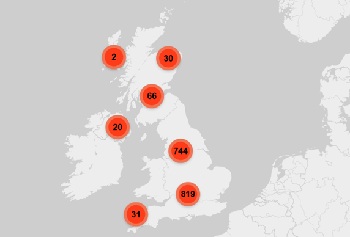
More than 200 remarkable buildings added to SAVE’s Buildings at Risk register.

Government scraps pre-application consultation for Nationally Significant Infrastructure Projects.
Historic England and infrastructure
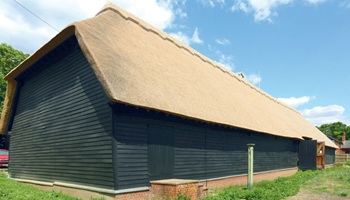
New projects offer opportunities for the historic environment and local communities.
Construction Management, 2 July

Construction deaths halve in two years.
Green Book changes to drive investment in all parts of UK.